
 By
By 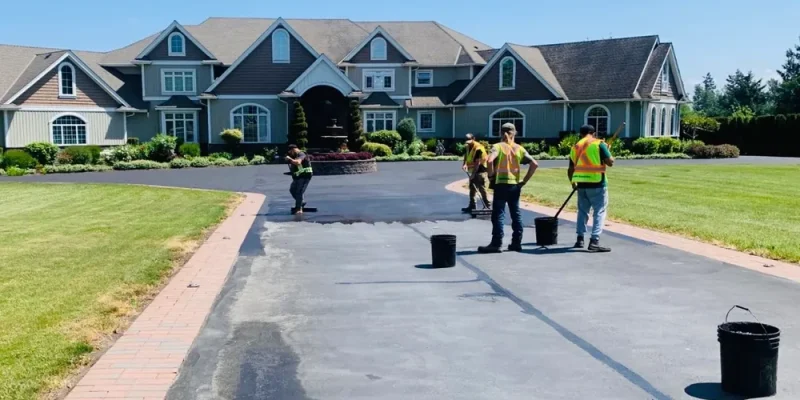
Degradation starts taking place on your asphalt surfaces immediately after their installation. Daily exposure to the sun, weight of heavy vehicles, and varying weather conditions take a toll on the surface. UV rays slowly degrade the component of the asphalt surface that makes it flexible. Your once-black asphalt pavement becomes brittle and dull with time, taking on the grey appearance of an old surface. At this point, cracks will start forming. And after this is where other troubles arise. Moisture gets in, disturbing the foundation and causing potholes. To ensure your pavement does not end up in that state, you should create a routine maintenance schedule by using https://www.americanpavingtn.com/knoxville/ and have professional seal coating done. Your pavement will be well protected for at least double its lifespan with the help of.
Protecting Asphalt from Sun Damage and Fading
- Rigidity: The asphalt gets de-rigidified by the drying process; thus, it will not be able to hold up the load of the heavyweight vehicles, such as trucks and SUVs.
- Barrier: The newly applied sealcoat acts as a barrier against light rays, just as sunscreen does to the skin.
Keeping Water Out Before It Causes Potholes
Sunlight is the main thing that makes colors fade. But water does more damage to asphalt. Water from rain or melting snow can get into small cracks. It then moves down into the gravel at the base.
| Damage Factor | Unsealed Asphalt | Sealcoated Asphalt |
|---|---|---|
| Water Penetration | Soaks deep into the base, weakening support | Creates a smooth shell that forces water to run off |
| Freezing Weather | Trapped water freezes and expands, popping open potholes | Blocks moisture so freezing cycles can’t break the surface |
| Oil & Gas Spills | Engine fluids dissolve the binders in minutes | Resists chemicals long enough for easy cleanup |
When you seal the surface, water goes to nearby drains. It does not stay and make the base rot.
Fixing Issues Early vs. Paying for Big Replacements
Spending a small amount of money on sealcoating every few years can help you save thousands later. The math for this is simple:
- Lower Overall Costs: Putting on a sealcoat costs a lot less money than digging up a lot or putting a new layer on top.
- Double the Lifespan: Many things that are not sealed require major repairs after 10 years. However, if they are well-sealed, then they may serve beyond 20 years and never have to be replaced.
- Improved Aesthetics: Having a surface that is very black and new-looking makes everything look beautiful.
When and How to Apply Sealcoat Correctly
Getting good results from sealcoating is all about the right time and good prep work. You can’t just spray it on dirty pavement and think it will work well.
- Let New Asphalt Cure: You should let new asphalt sit for about 3 to 6 months. This gives the time for oils to come out before you put the first coat on it.
- Weather Precautions: The best weather conditions that will facilitate the accomplishment of this task will be dry weather. It is important to ensure that the temperature does not fall below 50 degrees Fahrenheit for the whole day.
- Steps in Cleaning the Surface before Applying Paint: It should be noted that it is very important to clean the surface through power washing. All dust should be cleaned from the surface, and all cracks bigger than a pencil should be repaired.
Final Thoughts on Preserving Your Pavement
Pavement care is not very hard; it just requires consistency on your part. Sealing small cracks is necessary, and a new coating should be placed on your surface every few years to prevent any kind of wear from the environment and other materials. By using reputable individuals like americanpavingtn.com, your pavement can last a long time despite traffic.



Comments