
 By
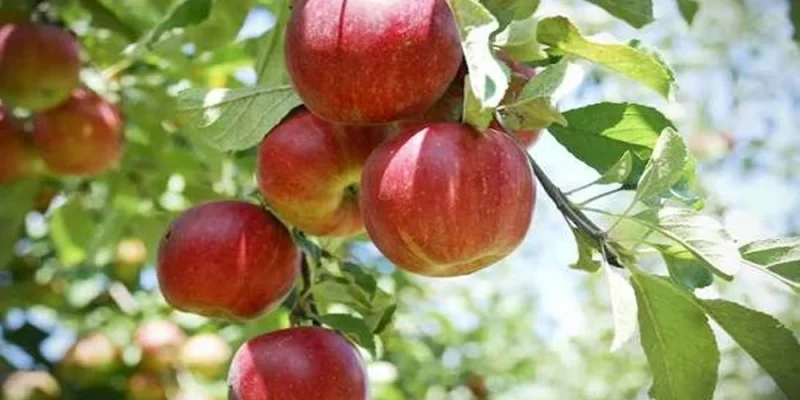
An apple tree can survive a cold winter and still lose its crop on a single April night. The vulnerable moment arrives when buds open and flowers become exposed. In a UK garden where that sequence repeats, the date of blossom deserves as much attention as the eventual flavour of the apples. A supplier who describes flowering clearly gives the gardener something useful to work with before another tree goes into the ground.
Late flowering can move part of that vulnerable period into milder weather. It cannot move a garden out of a frost hollow, and an unusually late freeze may still catch the blossom. There is nevertheless a meaningful choice between varieties that open relatively early and those that habitually wait. The five suppliers below offer routes to the latter, through culinary apples such as Edward VII and dessert varieties including Court Pendu Plat.
The distinction between flowering and ripening matters throughout this selection. An apple picked in autumn may flower quite early in spring. Equally, fruit that keeps well into winter tells us little by itself about frost exposure at blossom time. For this particular purchase, the relevant information is on the flowering line of the description.
How flowering evidence shaped the selection
Published cultivar descriptions were read alongside the forms offered for sale and each supplier’s ordering arrangements. Greater weight went to explicit late-flowering information and useful pollination detail than to general statements about hardiness. The order brings together an accessible culinary starting point, a very late dessert alternative, different ways of buying Edward VII, and a specialist collection route.
These are editorial comparisons of documented offers. No orchard trial or personal assessment of frost survival is implied. Flowering groups help identify potential partners, but different catalogues use letters or numbers differently. Matching two labels from unrelated systems is less dependable than establishing that the named varieties overlap in flower. The RHS guidance on spring frost and apple cropping provides the horticultural context.
Top 5 UK Apple Tree Suppliers for Later-Flowering Choices
1. Chris Bowers & Sons
Among the apple trees for sale at Chris Bowers & Sons, Edward VII provides a clearly described late-flowering option for UK gardens troubled by spring frost. It is a culinary apple: the blossom may open later, but the harvest still needs to suit the household. Stored apples for winter cooking are a different prospect from fruit eaten beside the tree in August.
Newton Wonder and Lord Derby are among the partners named in the Edward VII description. Their presence turns the enquiry into a conversation about overlapping flowers. In a garden with an established apple, that tree’s identity may settle the matter; in an empty plot, the two proposed trees need to be considered together. A late-flowering cultivar gains little from a companion whose blossom has already finished.
The available forms include M26 and M27. Rootstock selection addresses the space occupied by the tree, while the cultivar determines the flowering character under discussion. The two decisions meet when the planting position is chosen. A smaller tree may also be easier to reach if blossom protection becomes necessary.
There are options described as selected for fan or espalier training. Those are young trees from which to begin the work, not a finished framework ready to attach to a wall. For the garden being replanted after repeated frost losses, Edward VII offers a considered starting point: later blossom, a cooking harvest and named partners to investigate before the planting season.
2. Keepers Nursery
Court Pendu Plat carries the discussion later into the blossom season. Keepers places it in flowering group G and describes it as very late flowering. For a gardener who specifically wants a dessert apple, that is a more pertinent starting point than substituting any late-harvest cooker that happens to be available.
The fruit has a distinctive flattened shape, and the nursery’s account describes firm flesh with a lively flavour. Those characteristics are descriptions from the supplier, rather than tasting notes from this article. They help establish what sort of apple would occupy the garden once the flowering question has been addressed. A tree chosen to reduce exposure to spring frost still needs to produce fruit its owner wants.
Court Pendu Plat is listed as self-sterile. A very late flowering period can narrow the useful overlap with other apples, so the partner deserves attention at the same time as the main tree. The presence of an unidentified apple several gardens away is a possibility to investigate, rather than a pollination plan in itself.
The inspected offer was a maiden on M26, marked sold out. This makes Keepers a seasonal sourcing option for that particular form, not an immediate dispatch recommendation. Its Kent nursery sells hand-grafted trees and publishes a delivery route to much of mainland Britain, with exclusions and surcharges for particular destinations. Gardeners planning a winter planting can use the interval to establish the partner and planting position. Those who need a tree immediately will have to compare the next available options instead of treating an old product listing as stock.
3. R.V. Roger
A gardener who has already settled on Edward VII can make a more detailed comparison at R.V. Roger. The offer separates maiden, bush and cordon forms on M106. This is valuable because the variety name remains constant while the starting structure changes: buying a young tree to develop and buying a cordon for a training scheme are different gardening projects.
The published description identifies Edward VII as late flowering and self-sterile. Its flowering classification is given in the nursery’s own letter system. The practical consequence is to discuss a compatible partner using that system and the cultivar names, rather than carrying across the group G label attached to Court Pendu Plat elsewhere.
For the inspected variants, availability was stated for the November to March bare-root season. That is a useful planning window for someone replacing an unsuccessful tree, provided the planting ground will be workable and the receiving arrangements are ready. The nursery also provides delivery information for fruit trees; the actual destination and form should be included in the order enquiry.
This entry is particularly relevant when the frost problem has prompted a redesign as well as a change of cultivar. A cordon needs its intended support and spacing, while a bush occupies the garden differently. Neither form alters the underlying flowering character of Edward VII. The choice here concerns how a suitable cultivar will be established and managed, with the form specified at purchase rather than left to assumption.
4. Adam’s Apples
Suntan introduces a complication that is easy to miss in a quick search for late blossom. Adam’s Apples describes it as a late-flowering dessert apple, but it is triploid. That matters to the pollination arrangement: it should not be relied upon to provide the reciprocal pollen service expected from a straightforward pair of compatible diploid apples.
For an established garden with several known apples flowering together, Suntan may therefore lead to a different conversation from the one it creates in an empty garden with space for just two trees. The nursery also lists Court Pendu Plat, giving the buyer another late-flowering dessert route to investigate. These offers earn their place here through their specific cultivar information, rather than a broad promise that any tree from Devon will suit a frosty site.
The purchasing arrangements favour planning ahead. Delivery is charged separately, with a published minimum carriage charge and additional conditions for some destinations. Collection is by appointment after the nursery confirms that the order is ready. For a single tree, the journey or carriage can materially affect which otherwise suitable offer makes sense.
The strongest reason to include Adam’s Apples is the opportunity to compare two late-flowering dessert choices with different implications for the surrounding planting. A buyer can arrive with the names of existing apples, their observed blossom periods and the space for any additional partner. That is a more productive enquiry than asking for the most frost-resistant apple without describing what already grows there.
5. Bernwode Fruit Trees
Bernwode offers a slower route into this problem. Its historical cultivar descriptions include Court Pendu Plat and draw attention to the exceptionally late flowering for which it is known. The catalogue is useful when the gardener is willing to make the cultivar choice first and organise the purchase around a specialist nursery’s production cycle.
The important commercial distinction is collection. Bernwode states that it does not deliver, and its developing approach centres on grafting to order. Requests for particular varieties and rootstocks belong early in that cycle; this is not the same transaction as choosing a potted tree for immediate courier dispatch. The arrangement can suit someone able to collect and prepared to wait for the specified tree.
That route also makes the initial enquiry unusually consequential. The requested variety, rootstock and eventual collection timing all need to describe the same intended tree. A catalogue account of an old apple establishes the cultivar’s interest, but it does not establish that a ready-grown example is waiting at the nursery. Current availability should come from the response to the actual request.
For this shortlist, Bernwode adds access to a historically documented late-flowering apple through a materially different buying arrangement. It will be impractical for many distant buyers, which explains its position. For a gardener within collecting distance, the chance to plan the graft and the site together may be exactly the attraction.
The final choice begins with the blossom calendar already visible in the garden. A note of which trees were flowering during the damaging frost, followed by their names where known, helps distinguish a cultivar problem from a site problem. A late-flowering cooker with an overlapping partner may answer one household’s needs; a very late dessert apple may answer another’s. Once that pair is plausible, the available form and ordering season can decide where to buy. The aim is a considered chance of retaining a crop when spring turns cold, supported by a planting arrangement that remains useful in ordinary years too.
Source note: This comparison draws on the suppliers’ published cultivar descriptions, product variants and ordering information, with horticultural context from RHS guidance on fruit-tree frost protection and apple cropping. Availability refers to the inspected offers and can change with the nursery season.








Comments