
 By
By 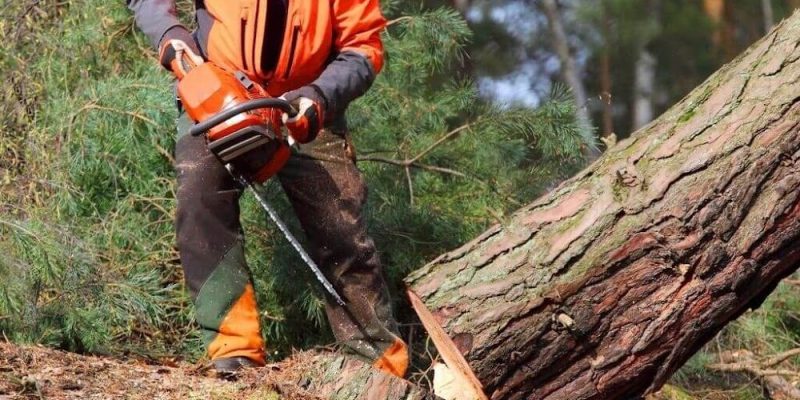
Tree crown thinning reduces the size and shape of trees without altering their overall shape. Interior and secondary branches are targeted rather than main structural limbs during this selective removal. tree pruning by thinning techniques improves tree health and reduces hazards while maintaining natural appearances.
Air circulation improvement
A dense canopy traps moisture and prevents air from moving through the branches. This creates conditions where fungal diseases grow in constant dampness. Thinning cuts remove certain branches from the canopy. This opens paths for air to move through leaves instead of being blocked by thick overlapping branches. Better air movement helps leaves and branches dry faster after rain or morning dew. This reduces the time wet conditions stay inside the canopy. Many fungi need long periods of wetness to grow and infect. A faster drying process prevents infection and the disease cycle. Apple scab and powdery mildew are two fungal diseases that can be prevented by thinned crowns. In these trees, air movement and resistant types or treatments are important for preventing diseases.
Light penetration enhancement
Interior branches in dense tree canopies do not get enough light to perform proper photosynthesis. The outer layers of leaves block most of the sunlight before it can reach the inner branches. These shaded interior branches do not add much to the tree’s energy production but still take resources for maintenance and growth. This unproductive interior branch is removed when the tree is thinned. Photosynthesis is made possible by allowing more light to reach foliage. A higher canopy also allows more light to penetrate lower branches. Light passes through the open spaces in the upper canopy and reaches these lower areas. This prevents the lower branches from slowly dying due to a lack of sunlight. Better light distribution helps the whole tree. All parts of the foliage can work efficiently. The tree grows healthier and more vigorous. Interior sections do not stay in permanent shade, while only the outer leaves get sunlight.
Wind load reduction
- Dense canopies act as solid surfaces, catching wind and creating high resistance during storms
- Thinning opens canopies, allowing wind to pass through rather than pushing against solid foliage masses
- Reduced wind resistance decreases forces acting on trunks and root systems during high wind events
- Trees with thinned canopies sway and flex naturally during winds rather than resisting movement
- Lower wind loads reduce branch breakage and tree toppling probability during severe weather
Branch defect removal
Crown thinning gives a chance to remove branches that are weak or damaged and may fail in the future. It focuses on branches with decay, cracks, narrow angles, or poor attachments. This method reduces density while keeping the tree looking natural. Branches that cross or rub against each other get removed to prevent wounds and disease. Dead or dying branches in the canopy are also cut to clean the tree. Removing these risky limbs stops them from breaking unexpectedly. This approach targets problem branches instead of randomly removing. Small branches can be removed as part of regular thinning in order to catch problems early. A strong tree structure is maintained by removing hazardous limbs at the beginning of their growth.
Crown thinning serves multiple purposes, including promoting air circulation that reduces disease pressure, enhancing light penetration for better photosynthesis throughout canopies, reducing wind loads that stress trees during storms, and providing opportunities for removing defective branches while maintaining natural tree forms and proportions.








Comments